
The Strange Origin of the Human Eye May Trace Back to a 600-Million-Year-Old 'Cyclops'
TL;DR AI
2 min readKey summary
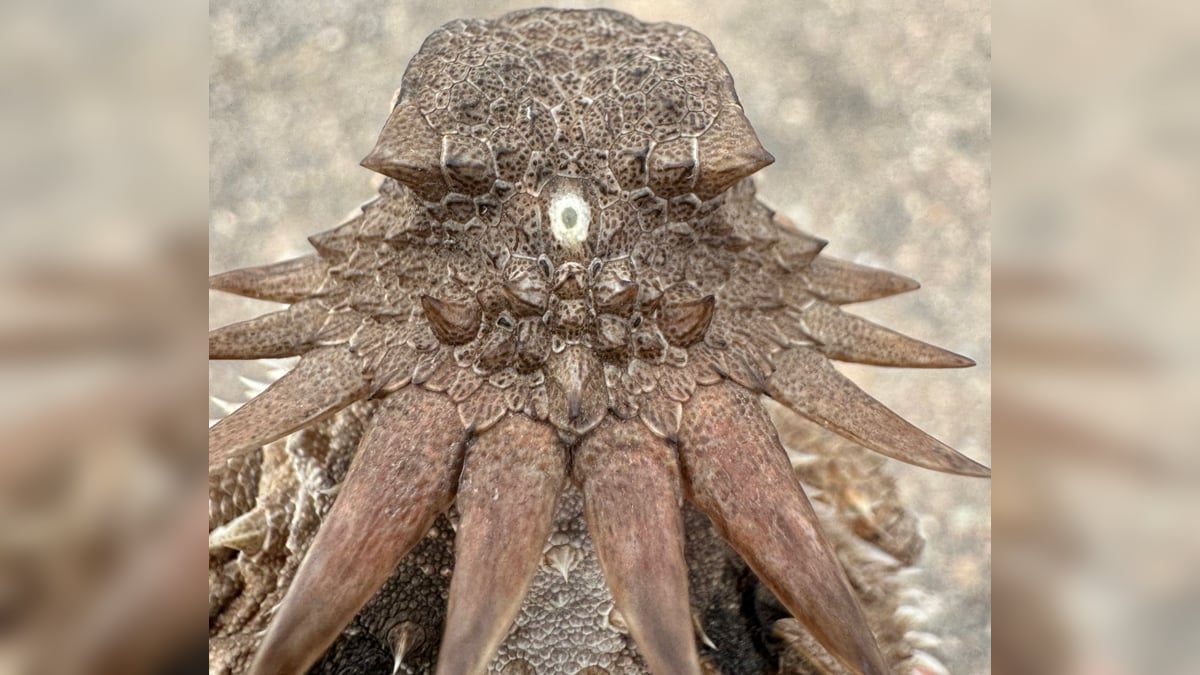
Researchers at Lund University and the University of Sussex propose that vertebrate left and right retinas evolved from a single light-sensing organ in an early marine ancestor.
In this model, a median eye in a worm-like burrower later expanded into paired retinas and also helped give rise to the pineal and parapineal systems.
The reconstruction is based on comparisons of photoreceptors, eye structures, and neural circuits across living animals rather than fossils.
The study offers a new evolutionary explanation for how the vertebrate retina and related brain systems assembled from older biological parts.