
When the dinosaur-killing asteroid hit, this life-form feasted on the death
TL;DR AI
2 min readKey summary
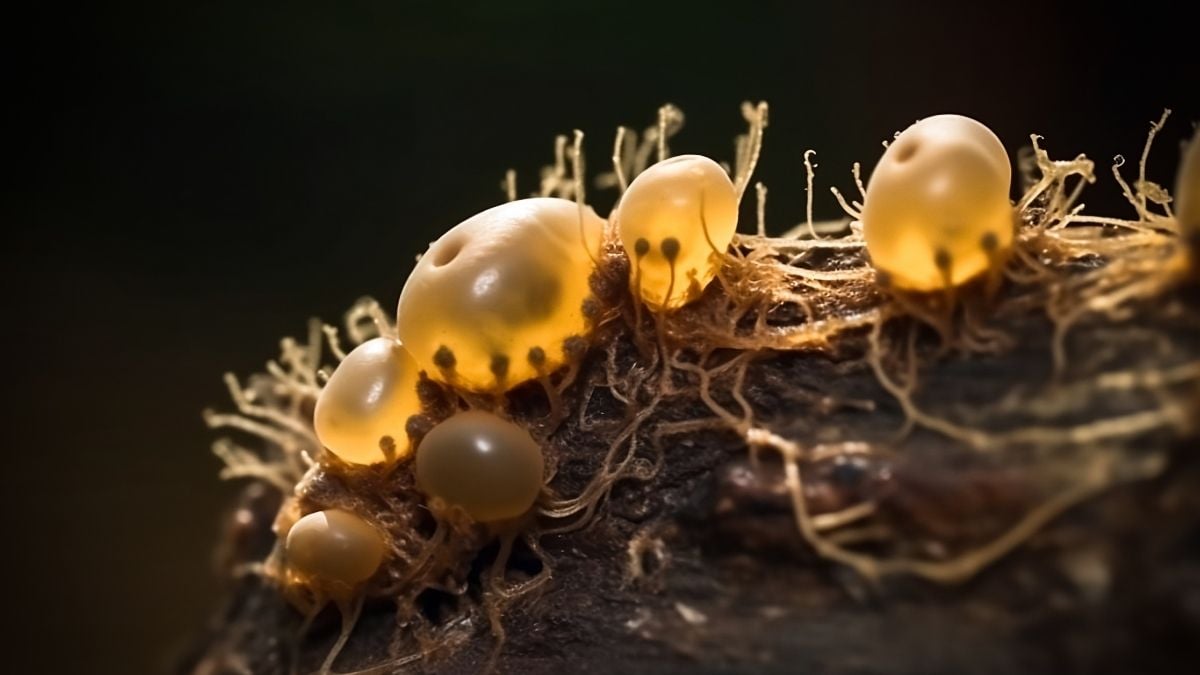
New fossil evidence shows a sharp spike in fungal spores right at and after the 66-million-year-old K-Pg boundary.
Researchers from Colorado, North Dakota, and New Zealand say fungi likely thrived in the dark, cool aftermath of the Chicxulub impact.
The study also points to an earlier fungal rise during intense Deccan Traps volcanism, before the mass extinction.
The findings shed light on how ecosystems can rapidly shift after major cooling and global disruption.