
Scientists Debunk 100-Year-Old Belief About Brain Cells, Rewriting Textbooks
TL;DR AI
2 min readKey summary
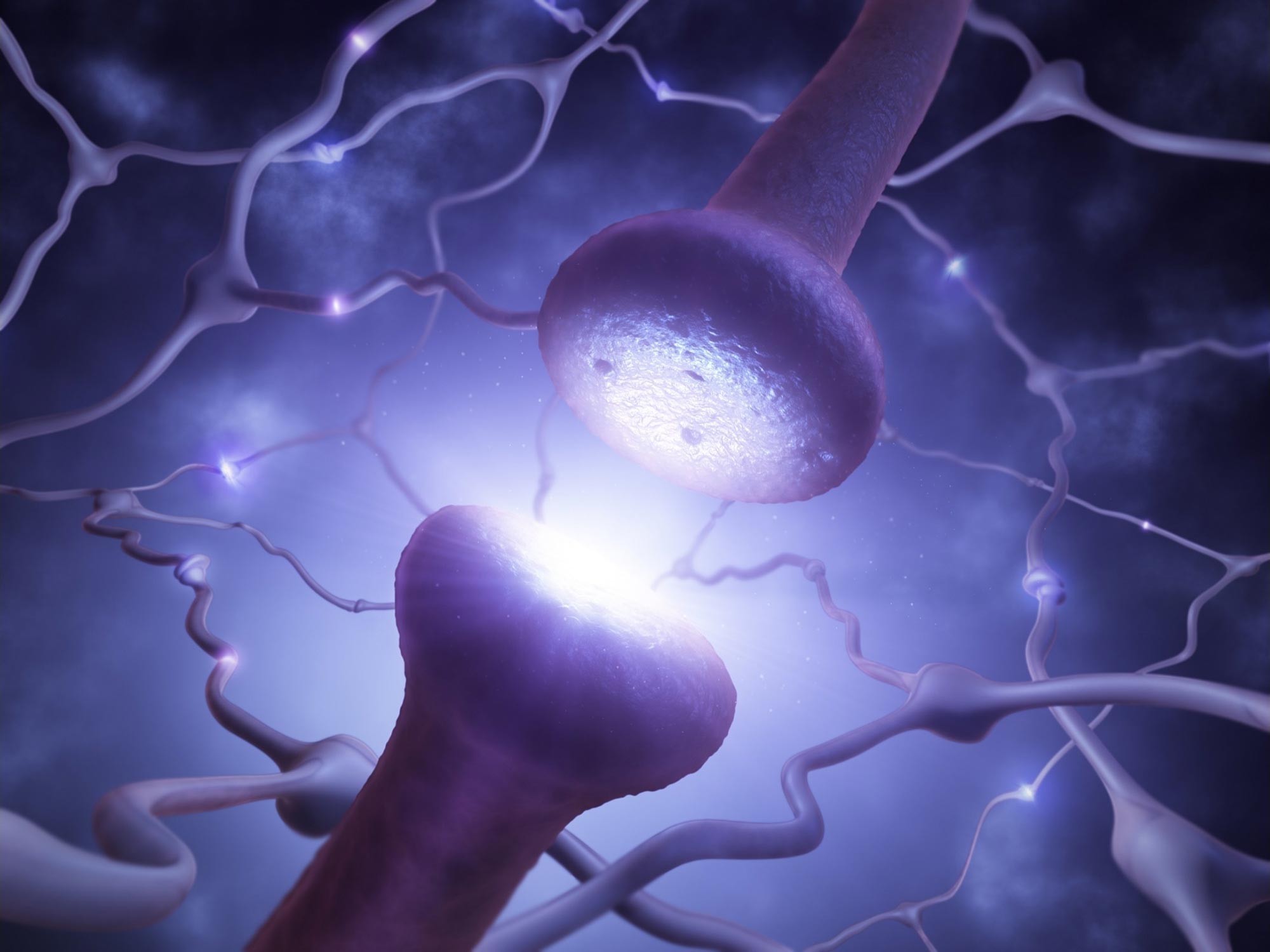
Johns Hopkins researchers found that many axons are not smooth cylinders, but can form repeated bead-like swellings.
The pattern appeared in mouse neurons, human cortical neurons, and C. elegans, suggesting it is widespread across species.
Advanced imaging and modeling point to membrane physics, not injury or synapses, as a possible cause of the shape.
The discovery could reshape how scientists understand neuronal signaling, axon function, and disease.