
New chiral nanocarbons pave the way for ultra-low-power electronics and next-generation encryption
TL;DR AI
2 min readKey summary
Nagoya University researchers used skeletal editing to redesign bonds inside flat nanocarbon molecules, creating new chiral structures that were previously out of reach.
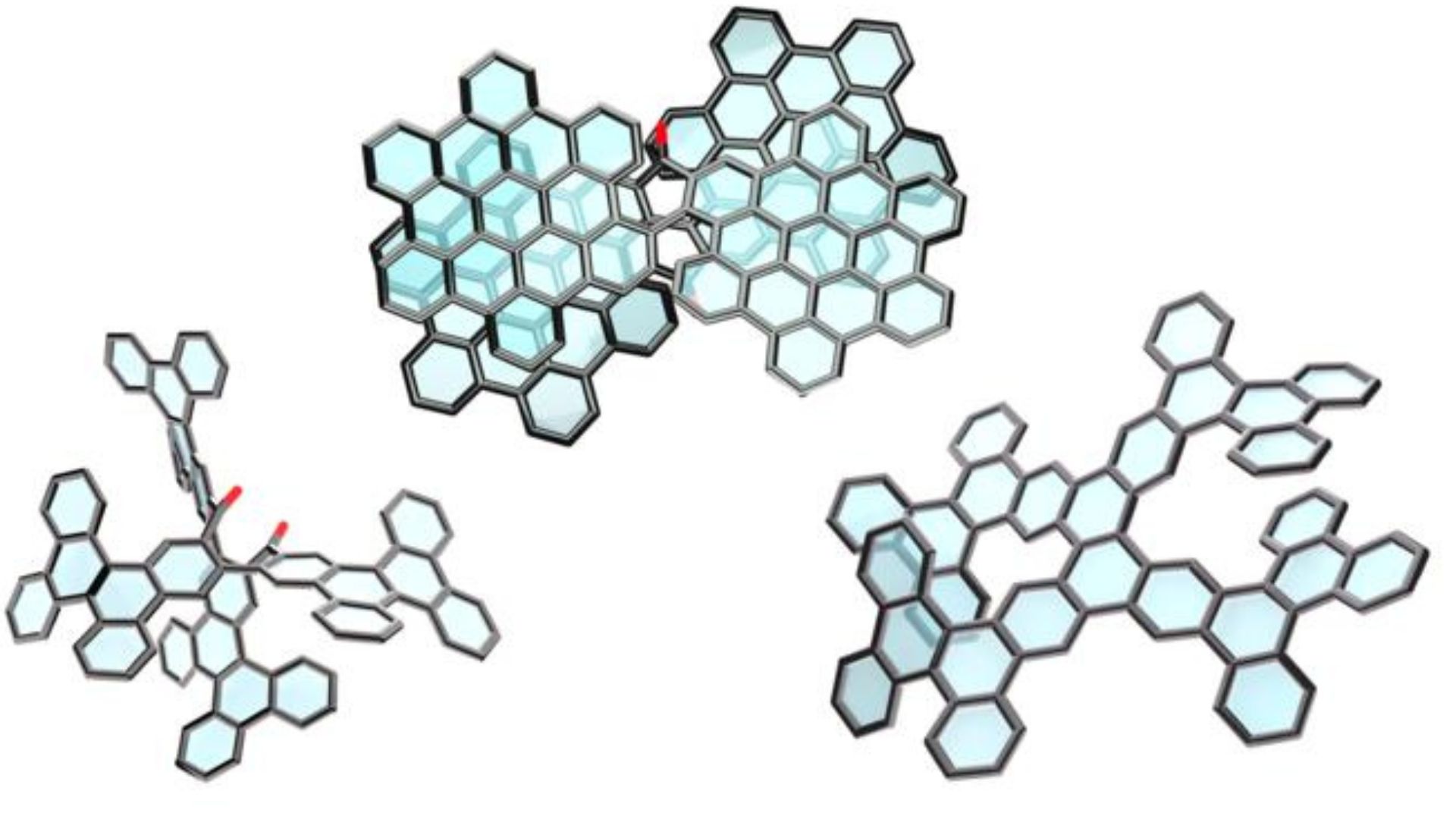
The molecules include a 10-carbon ring and a double-helix-like form, with properties such as strong light emission, charge storage, and heat resistance.
One compound also formed a porous crystal that can trap carbon dioxide, highlighting potential uses in low-power electronics, optical encryption, and carbon capture.