
New 3D device computes using living brain cells — bioelectronic device uses 3D electronic mesh design paired with living tissue
TL;DR AI
2 min readKey summary
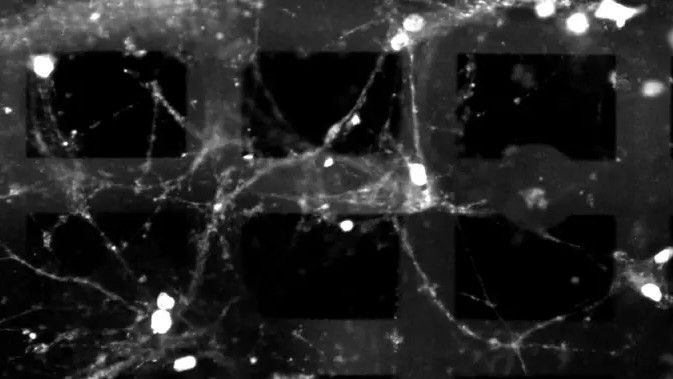
Princeton researchers built a 3D bioelectronic device by growing tens of thousands of living neurons on a microscopic wire-and-electrode scaffold.
The neural network could detect and distinguish pulse patterns, offering a platform to study how brain-like computation develops and can be tuned.
Published in Nature Electronics, the work may help neuroscience research, disease modeling, and the search for lower-power computing alternatives to AI.