Scientists lift solar efficiency to 26 percent by optimizing 2D and 3D perovskite layers
TL;DR AI
2 min readKey summary
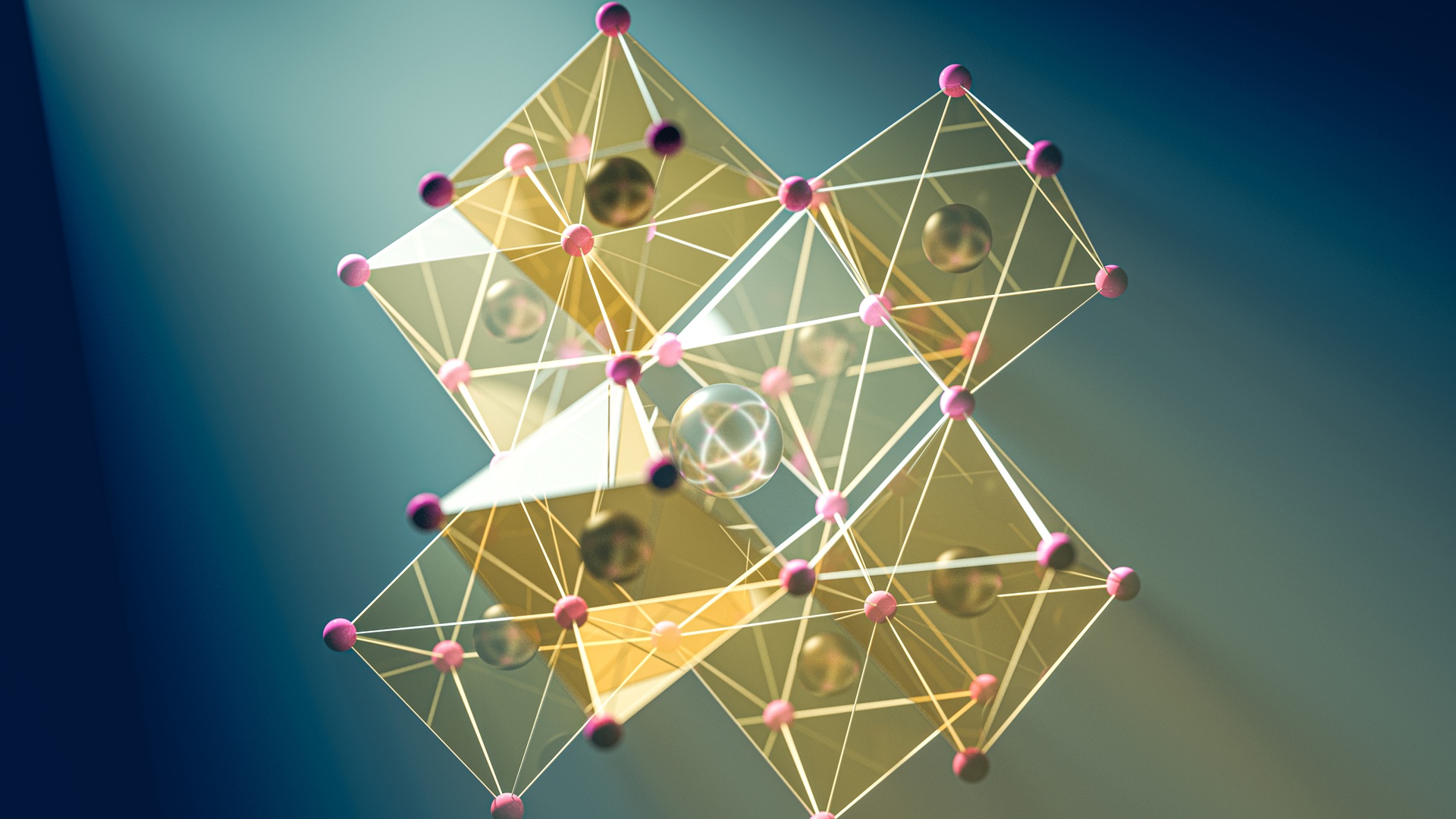
Researchers improved a 3D perovskite solar cell to 26.25% efficiency and a 24,000-hour lab lifetime by optimizing the interface with a 2D halide perovskite layer.
The team found that 2D/3D interaction helped crystallization, reduced defects, and stabilized the FAPbI3 crystal phase.
The work, led by Korea University with collaborators including the University of Toledo and Seoul National University, was published in Nature Energy.
The result suggests a scalable path to making perovskite solar cells both more efficient and more durable, helping clear a major commercialization hurdle.
Same topic