US scientists merge 70,000 live neurons with electronics in hybrid brain chip
TL;DR AI
2 min readKey summary
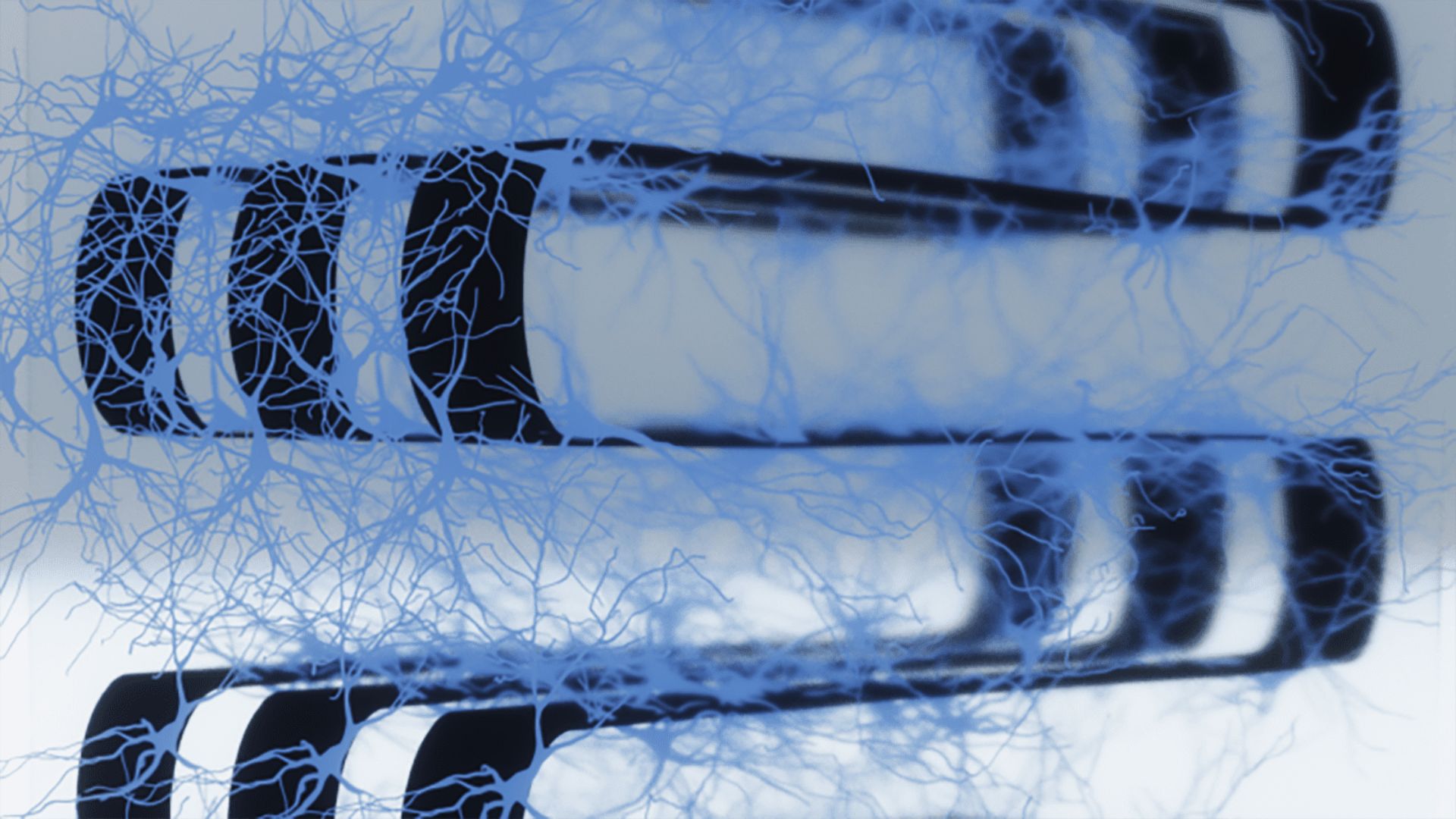
Princeton researchers developed 3D-MIND, a hybrid brain chip that combines living neurons with flexible electronics.
The 3D scaffold can monitor and stimulate about 70,000 neurons, maintaining stable interaction for months.
The platform could help drive more energy-efficient AI hardware and brain-inspired computing.
It may also offer a better lab model for studying brain development, neurological disorders, and drug screening.
Same topic