Japanese horseshoe bats use ultrasonic frequency control to filter prey from noise
TL;DR AI
2 min readKey summary
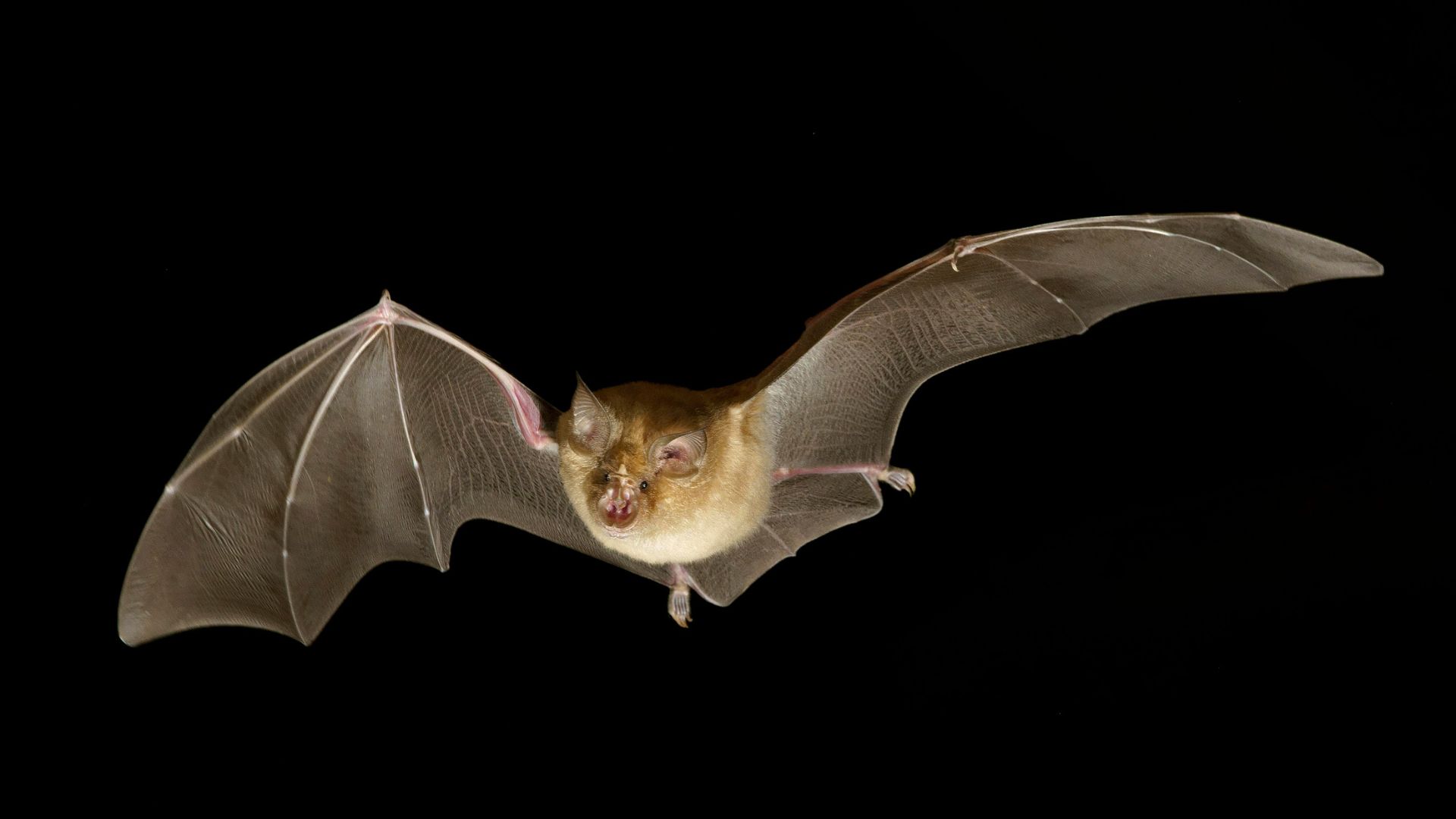
Japanese horseshoe bats were found to actively tune their ultrasonic calls while flying, creating a quiet sensing window to pick out prey echoes from forest clutter.
When researchers added noise into the bats’ protected frequency band, hunting success dropped, showing the frequency-control strategy is essential for prey detection.
The work from Doshisha University, published in Communications Biology, highlights Doppler-shift compensation and ultrasonic frequency control as key tools in bat echolocation.
The findings could inspire better radar, sonar, ultrasound, and wireless signal processing systems that work more reliably in noisy environments.
Same topic